Theater Festival vs. Single Show: Which Is Better for a First Visit?
Two friends invite you out on the same weekend. One has a ticket for a single production at a proper playhouse, seat H14, interval drinks, home by eleven. The other has a wristband, a folded program covered in pen marks, and a plan that involves three venues, one church basement, and a sandwich eaten standing up between shows. Both of them are going to the theater. They are not having anything like the same experience.
If you are new to live performance, the choice between a festival and a single production is the first real decision you will make, and it shapes everything that follows: how much you spend, how tired you are on Monday, and whether you come back at all. Here is how the two compare, without pretending one is obviously better.
A single production asks one thing of you: show up, sit down, pay attention to one story for two hours. A festival asks you to manage a small logistics operation. Which venues are within walking distance of each other? Can you get from a ninety-minute drama that starts at six to a cabaret slot at nine? Is the thing you really wanted to see already sold out?
That difference in demands is the whole comparison in miniature. Everything below is a variation on it.
Festivals are the best possible introduction to the sheer range of what theater can be. In a single weekend you might see a two-hander in a converted garage, a physical theatre piece with almost no words, a comedian testing unfinished material, and a Shakespeare cut to seventy minutes and played by four people. You will dislike some of it. That is the point — you learn your own taste much faster by seeing six different things than by seeing one safe bet.
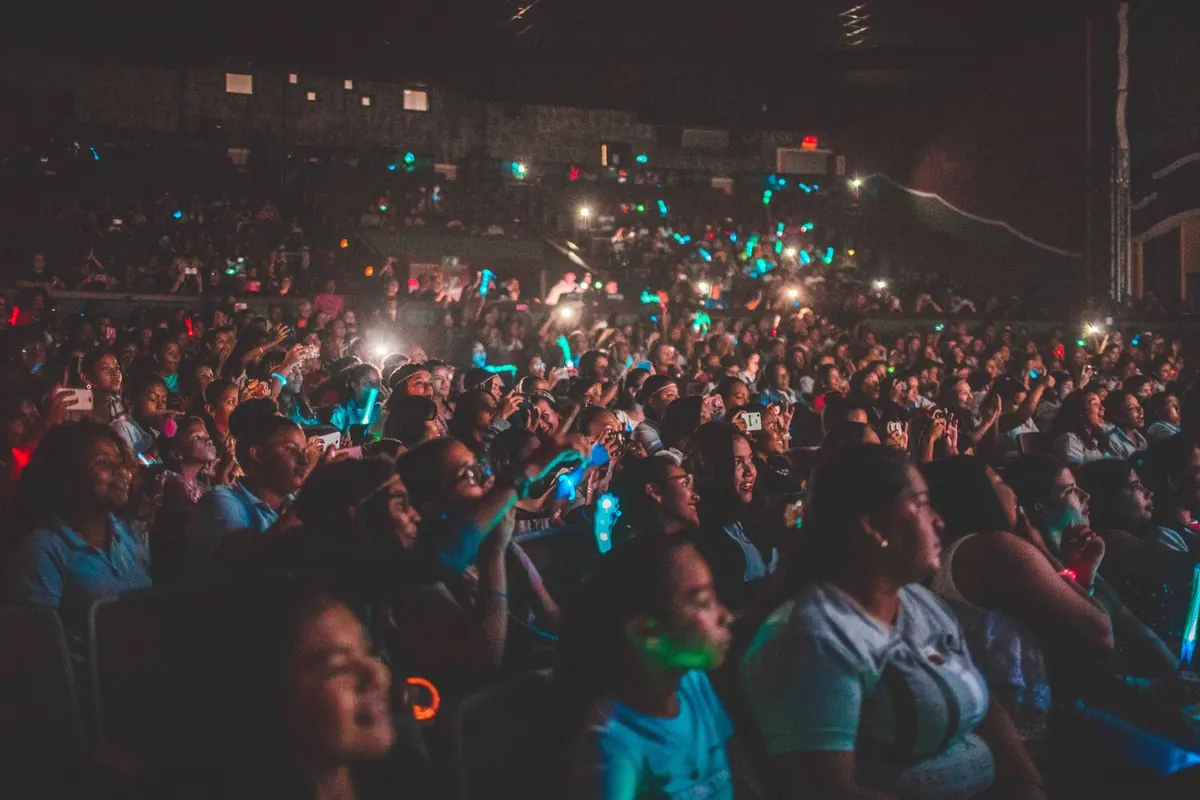
There is also a social texture that a single show rarely offers. Festival audiences talk to each other in queues. Performers hand out flyers and sometimes chat afterwards. If you are the kind of person who finds a silent auditorium intimidating, a scruffy festival bar can be a friendlier place to start.
The trade-off is choice paralysis. Programs run to dozens or hundreds of shows, and the quality is genuinely uneven. A fringe festival is, by design, uncurated — the good and the baffling sit next to each other in the same listings.
A single show gives you depth. You get a full evening in one room, with a set that has been built to be looked at, a sound design that has been tuned to that space, and a company that has been performing the same material long enough to be precise about it. Nothing is rushed because the cast has another get-in at four o'clock.
It is also easier on the body and the calendar. One booking, one journey, one start time. You can eat dinner first. You can bring a friend who is sceptical, or a parent, or a twelve-year-old, without wondering whether the next item on the schedule is suitable for them. And if the show is bad, you have lost one evening rather than a whole weekend and a train fare.
Festivals look cheap and often are not. Tickets for individual shows at fringe-scale events are frequently modest, but you buy several, you add a program, you add transport between venues, you eat out more because you are out all day, and you may need accommodation. A weekend can quietly cost more than a year of occasional full-price tickets.
Established venues work the other way around. A single seat at a major house is often the most expensive ticket in the comparison, but it is one purchase with no surrounding spend. Many companies also offer cheap previews, midweek discounts, pay-what-you-can nights, and rush tickets for younger audiences — worth checking directly on the venue's own booking page rather than assuming the listed price is the only one.
If money is the deciding factor, work out the total cost of the outing, not the ticket price. Travel, food, and a possible overnight stay usually decide it.
Three shows in a day is a physical undertaking. It means sitting still for five or six hours, often in warm rooms and uncomfortable chairs, while processing a lot of information. Most first-timers underestimate this and overbook their first festival.
A sensible first festival day looks like this: one show in the afternoon, a proper break with food and daylight, one show in the evening, and nothing after that. Leave a gap you do not intend to fill. The best conversations at festivals happen in those gaps.
Answer these honestly rather than aspirationally:
Whichever you pick, a few small habits make the first visit much better.
If you only take one piece of advice: for a genuinely first visit, book a single production you have some reason to trust, in a room small enough to feel the actors breathing. Then, once you know you like being in an audience, give a festival a weekend. The first teaches you what theater is. The second shows you how much of it there is.
Photo: Luis Quintero / Pexels
Previous Post
How to Prepare a 3-Minute Poetry Reading for a Live Audience
Next Post
A Seasonal Guide to Small-Venue Performing Arts Events in Autumn