10 First-Time Theatergoer Mistakes to Avoid and What to Do Instead
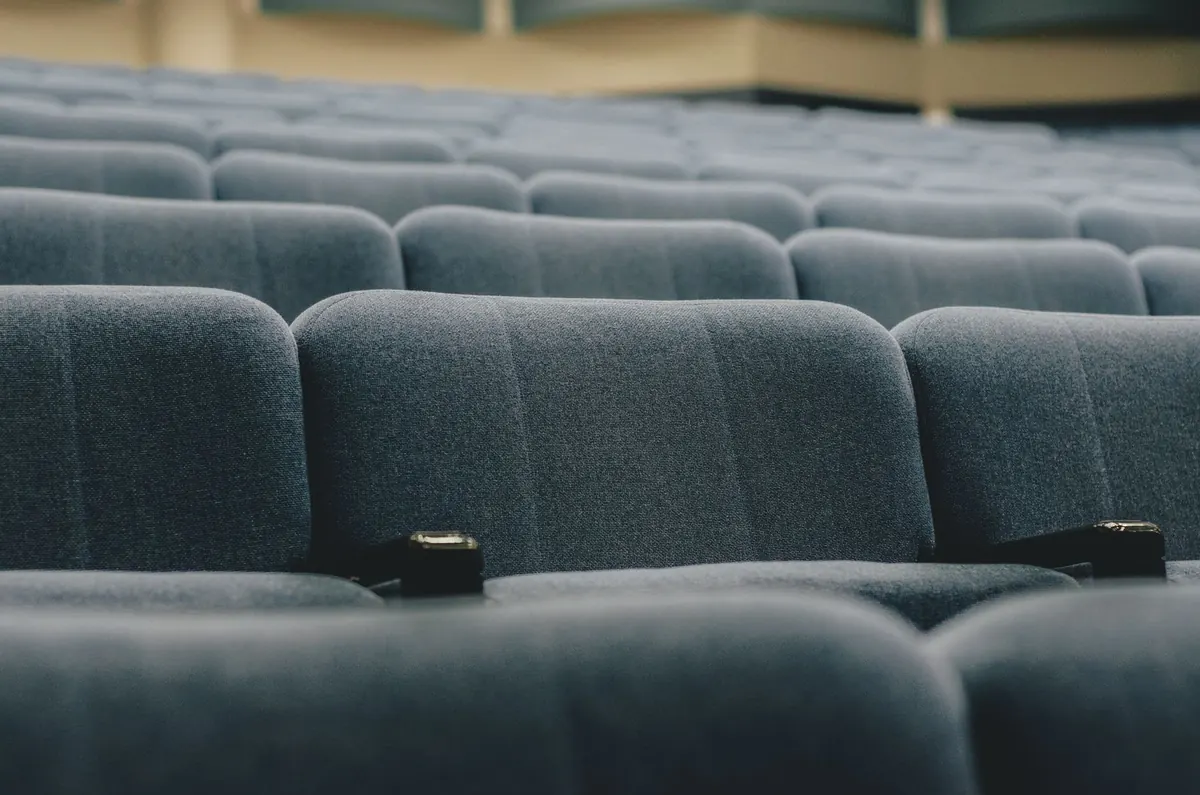
Your first trip to the theatre rarely goes wrong in a dramatic way. It goes wrong in small ones: the taxi that crawls through traffic, the bag of sweets opened during a quiet moment, the phone that lights up your face just as the lights go down. None of it ruins the night. But it does mean you spend the first act settling in rather than watching. The good news is that almost every newcomer's mistake has an obvious fix, and the fixes make the evening better for the several hundred people sitting around you too. Here are the ones worth knowing before you go.
The time printed on your ticket is not a suggestion. It is the moment the performance begins, and in most venues the doors to the auditorium close shortly before it. If you arrive after that, front-of-house staff will usually hold you in the foyer until a suitable pause — a scene change, an interval, sometimes twenty minutes into the show. This is not to punish you. It is because the auditorium is dark, the seating is steeply raked, and an usher's torch sweeping the stalls pulls every eye away from the stage.
What to do instead: aim to be in the building thirty minutes before curtain, not outside it. Check which entrance your ticket names, since large venues often have several. If you are late anyway, tell the staff at the door immediately rather than hovering — say which seat you hold and let them choose the moment. Accept the seat they offer, often at the side or the back, and move to your own place at the interval.
People worry about this far more than the occasion deserves. In the great majority of theatres, there is no dress code at all, and smart casual covers everything from a midweek drama to a Saturday musical. The two real mistakes are over-dressing for an ordinary performance and under-dressing for a gala, an opening night or a festival event — so check the venue's website if the evening is billed as special.
Comfort matters more than polish. Many theatres are old buildings with steep stairs, narrow rows and unpredictable temperatures: warm balconies, cold stalls, draughts from a door that has been there since 1890. Wear layers. Wear shoes you can walk and climb in. Avoid anything that rustles, jangles or reflects light, and leave the large hat at home.
Theatre acoustics are designed to carry an unamplified voice to the back of the house. The same design carries your whispered commentary to the row in front and, on a quiet night, to the actors. A whisper is not private here.
During the show, resist the urge to check your phone. Even at minimum brightness, a screen in a dark auditorium is visible from several rows away, and it reads as a small act of contempt for the people on stage. If you must look, cup it and keep it low — better still, wait for the interval.
Newcomers often freeze, unsure whether applause is allowed. In theatre it usually is. Applause at the end of a scene, at the end of an act, after a big musical number or when a well-known performer first walks on is normal and welcome. Nobody is marking you.
The one performance you should not walk out on is the curtain call. The bows are the actors' moment to acknowledge the audience, and they last about two minutes. Gathering your coat and edging toward the exit while the cast is still on stage is the most common quiet rudeness in the building. Stay, clap if you enjoyed it, then leave. A standing ovation is optional — if you want to stand, stand; if not, stay seated without apology.
Cheap seats are cheap for a reason. In older houses that can mean a pillar in your line of sight, a view of the action from the extreme side, or an upper level so steep that you see the tops of heads rather than faces. None of this is hidden: seating plans mark restricted-view seats, and box office staff will tell you honestly what you will and will not see if you ask.
If dialogue-heavy work or a translated play is on the bill, ask whether the venue uses surtitles and from which seats they are legible. It is a far better question than asking which seats are cheapest.
Nobody expects homework. But two minutes of checking changes the shape of your evening. Know the running time and whether there is one interval or two; a ninety-minute play with no break is a very different prospect from a three-hour epic. Look at content warnings if you have sensitivities, and confirm step-free access if you need it. For Shakespeare, opera or a dense new play, a short synopsis of the plot genuinely helps you follow the first twenty minutes.
A synopsis, though, is not the same as a full plot summary with the ending spelled out. Skim the premise, not the final scene. And give the reviews a rest until afterwards — go in with your own eyes.
Book seats you have actually looked at. Check the running time and the interval. Leave home earlier than feels necessary. Put the phone on silent before you enter the building, not as you sit down. Read the programme in the foyer rather than during the first scene. Take your seat properly before the doors close, and stay for the bows. That is the whole list — and if something still goes sideways, tell an usher. They have seen worse, and they would much rather help you than watch you struggle in the dark.
Photo: Ali Arapoğlu / Pexels
Previous Post
How to Read a Playbill: A Beginner's Guide to Theater Credits and Roles
Next Post
Stage Directions Explained: Upstage, Downstage, and Other Terms Beginners Should Know